Embracing Eclectic Style: Your Daily Scoop
Introduction
Discover the charming chaos of eclectic style, where different design elements mingle in harmony. This vibrant blend of disparate furnishings, colors, and textures creates a uniquely personalized aesthetic. With no strict guidelines, eclectic style encourages creativity, marrying objects seemingly unrelated into a cohesive and compelling narrative.
Advertisement
The Origins of Eclectic Style
The eclectic style emerged with the modernist movement, when designers sought freedom from the rigid constraints of traditional design. Drawing from multiple sources, the notion was to create something entirely new. Its rise in popularity reflects our desire for individuality in the ever-conforming global market.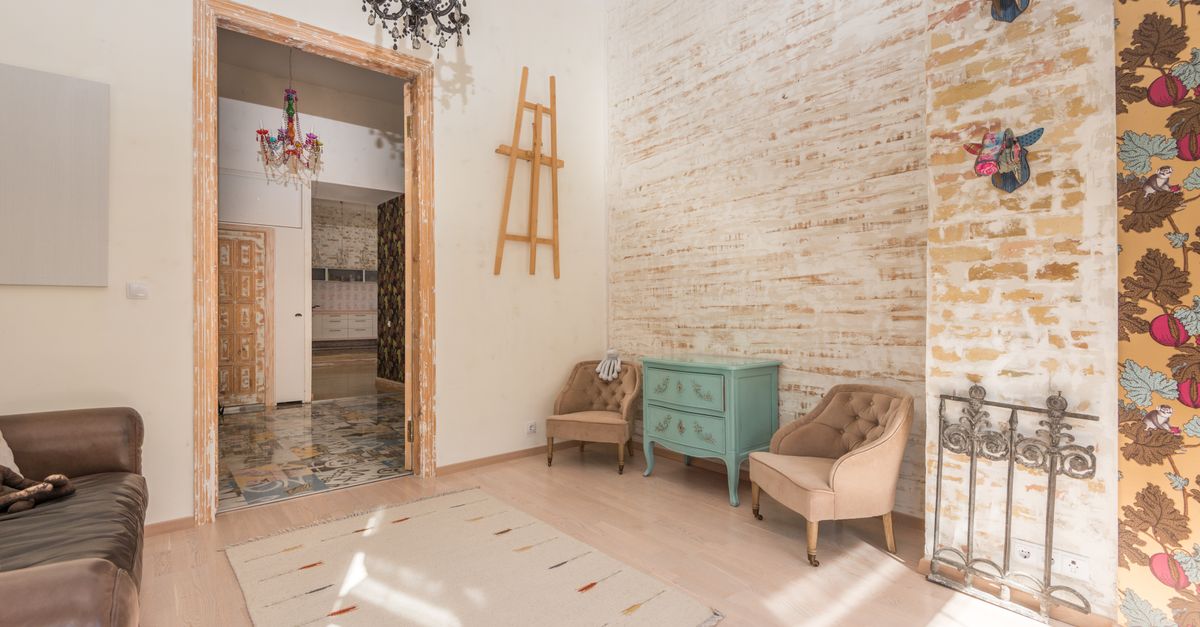
Advertisement
A Marriage of Style and Function
Eclectic style isn’t just about throwing random pieces together; it’s a careful orchestration of styles and eras that work in harmony. Whether a vintage art deco lamp stands proudly on a mid-century modern table or an 18th-century French chair hugs a contemporary rug, there’s a thread of coherence—often found in color, texture, or form—that ties it all together.
Advertisement
Personalization is Key
More than any other style, eclecticism allows for a full expression of personal taste. It embraces the unique collections we've amassed over time—be it global souvenirs, inherited heirlooms, or modern art pieces. An eclectic space reflects one’s journey, personal experiences, and interests, weaving them into a tapestry that’s both intimate and unique.
Advertisement
Breaking the Rules Gracefully
Eclectic style is rebellious at heart, but it operates within a subtle set of guidelines. The secret is to find balance amidst the chaos. Contrast is key; a minimalist, neutral canvas can be highlighted with bold accent pieces ensuring that the space feels alive but not overwhelming. Juxtaposition is an art, not a haphazard process.
Advertisement
The Role of Color and Texture
Color and texture are pivotal in achieving an eclectic look. While an extensive color palette is celebrated, purpose and intention must guide choices. Mixing materials such as metal, wood, and glass invites diversity, while textiles —think wool throws, plush cushions, and ornate rugs—may echo a similar pattern or hue to create cohesion.
Advertisement
Challenges and Rewards
With great artistic freedom comes the challenge of maintaining a unified flow. Avoid visual clutter by considering scale and proportion. A grand Chesterfield sofa won’t work beside a diminutive side table. But when done right—oh, the reward! It's like living in an art gallery every day, surrounded by pieces that tell your story.
Advertisement
Conclusion
Eclectic style isn’t just a design choice; it’s a philosophical embrace of variety and individuality. While some may find the absence of rigid rules daunting, for many it's liberating. It allows us to break free from convention, celebrate our stories, and transform our spaces into vivid pages that capture our lives' essence. With eclecticism, every room becomes a canvas, ready for color and character.
Advertisement